



Is Your Recovery Score Lying to You? How to Use Wearables Without Losing the Plot
Your wearable is useful. It may also be making you weird.
Popular Science recently put a name to the very modern problem: orthosomnia, or the obsession with getting perfect sleep because your tracker says you should. The cruel little twist is that trying harder to sleep well can make sleep worse. A bad score creates pressure, pressure creates arousal, and suddenly the app that was supposed to help you recover is now part of the reason you are staring at the ceiling.
Recovery scores, readiness scores, sleep scores, HRV charts — they all promise the same thing: a clearer read on what your body needs today. And sometimes, they deliver. A rising resting heart rate, a multi-day HRV dip, terrible sleep, and unusual fatigue are worth noticing.
But one red score can also hijack your morning before your feet hit the floor. You wake up feeling fine, check your app, see a low recovery number, and suddenly your body becomes a problem to solve. That is where the tool stops helping and starts managing you.
This is not just “people being dramatic about gadgets.” In the original 2017 orthosomnia paper, researchers described patients who were anxious and preoccupied with sleep-tracker data, even when the device data did not match clinical testing or how the person actually felt. The score became the story.

What Your Recovery Score Is Actually Measuring
Most recovery/readiness scores are built from a mix of signals: heart rate variability, resting heart rate, sleep duration, sleep quality, respiratory rate, skin temperature, recent activity, and strain. Different brands weigh those signals differently, but the basic idea is the same: infer how ready your nervous system and body are for stress today.
That can be incredibly helpful when you zoom out. Trends tell a story. If your resting heart rate is elevated for three days, your HRV is suppressed, and your sleep is wrecked, your body is probably waving a little white flag.
The trouble starts when you treat one score like a verdict.
When Tracking Becomes the Stressor
The Popular Science story gets at the paradox: sleep is passive. Recovery is not something you can bully into submission with a dashboard. If your tracker tells you that you slept poorly, then you spend the day worrying about how poorly you slept, you have not learned something useful. You have just added a second layer of stress on top of the first.
That is the loop to watch for: bad score → body scanning → anxiety → worse sleep or worse perceived recovery → more tracking. The device did not invent the stress, but it can give the stress a very official-looking interface.
The HRV Trap
HRV is a real metric. It reflects variation in time between heartbeats and is often used as a window into autonomic nervous system balance. Higher is not always magically better, lower is not always catastrophic, and context matters more than the number itself.
The HRV trap is when the score creates the stress it is supposed to help you avoid. You check the app, panic about being “under-recovered,” then spend the morning scanning your body for proof that the app was right. Very futuristic. Also very dumb.
Your wearable can measure signals around stress. It cannot measure your mood, your work calendar, the argument you had last night, how much caffeine you drank, whether your kid woke you up, or the fact that the sensor was sitting weird on your wrist.
Your Watch Is Smart. It Is Not a Sleep Lab.
Wearables have gotten impressive, but they are not perfect. Popular Science’s reporting quotes sleep experts making the same point in plain English: trackers can be useful for broad sleep/wake patterns and heart rate, but the more abstract “score,” “recovery,” and sleep-stage readouts deserve skepticism. A 2026 living systematic review in npj Digital Medicine found a similar pattern for Apple Watch measurements: heart rate tends to perform better, while energy expenditure is inconsistent and sleep/step measurements are more moderate.
That does not make the data useless. It makes it data. Useful, directional, sometimes noisy, and best interpreted with your brain still turned on.
Think of your wearable like a smoke alarm, not a judge. If it keeps chirping, investigate. If it squeaks once because the batteries are weird, do not evacuate your life.
The Recovery Score Reset
The best response to a bad recovery score is not always “do nothing.” Sometimes it is doing the right kind of something: downshifting your nervous system, moving blood, sweating, breathing, and getting out of the app.
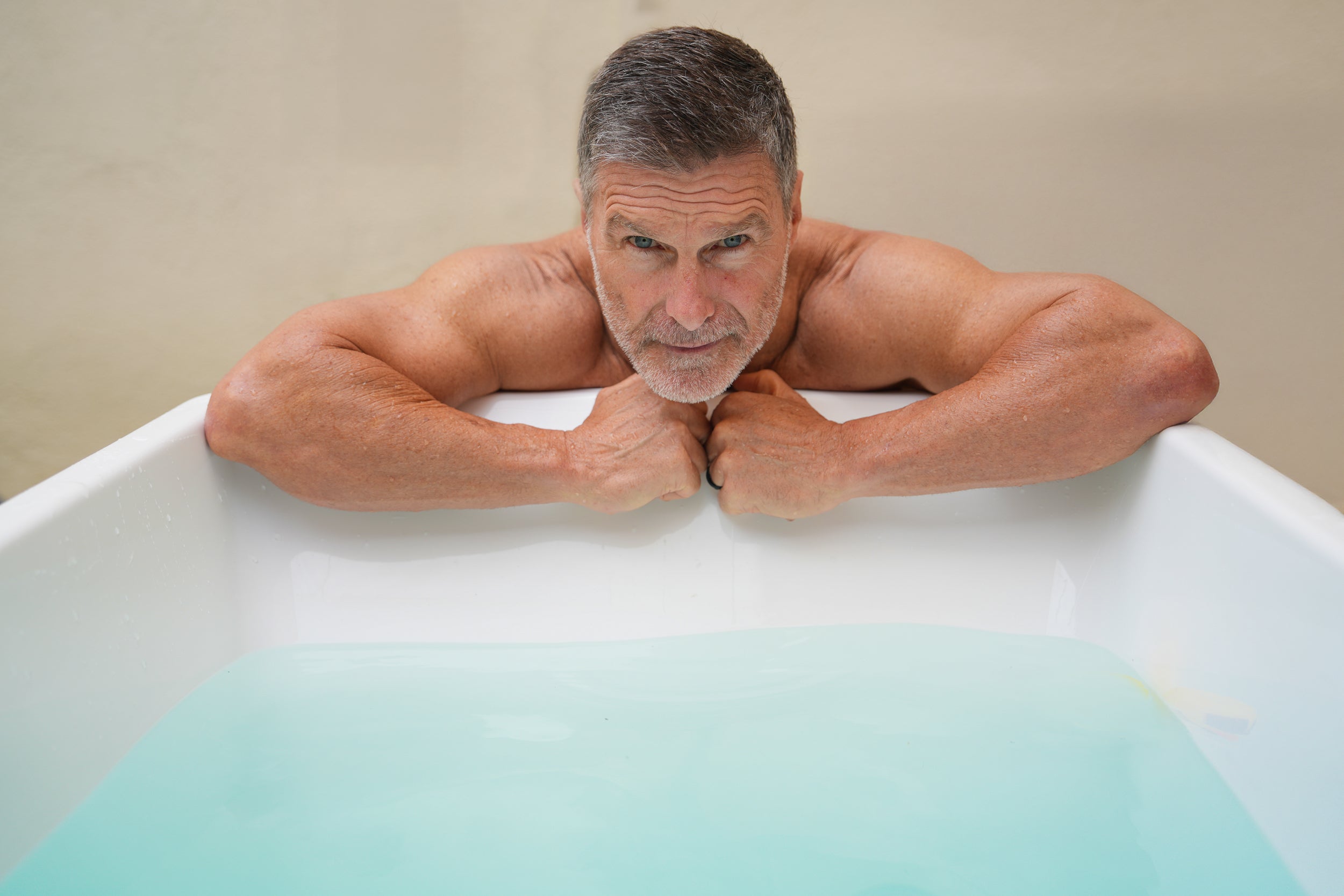
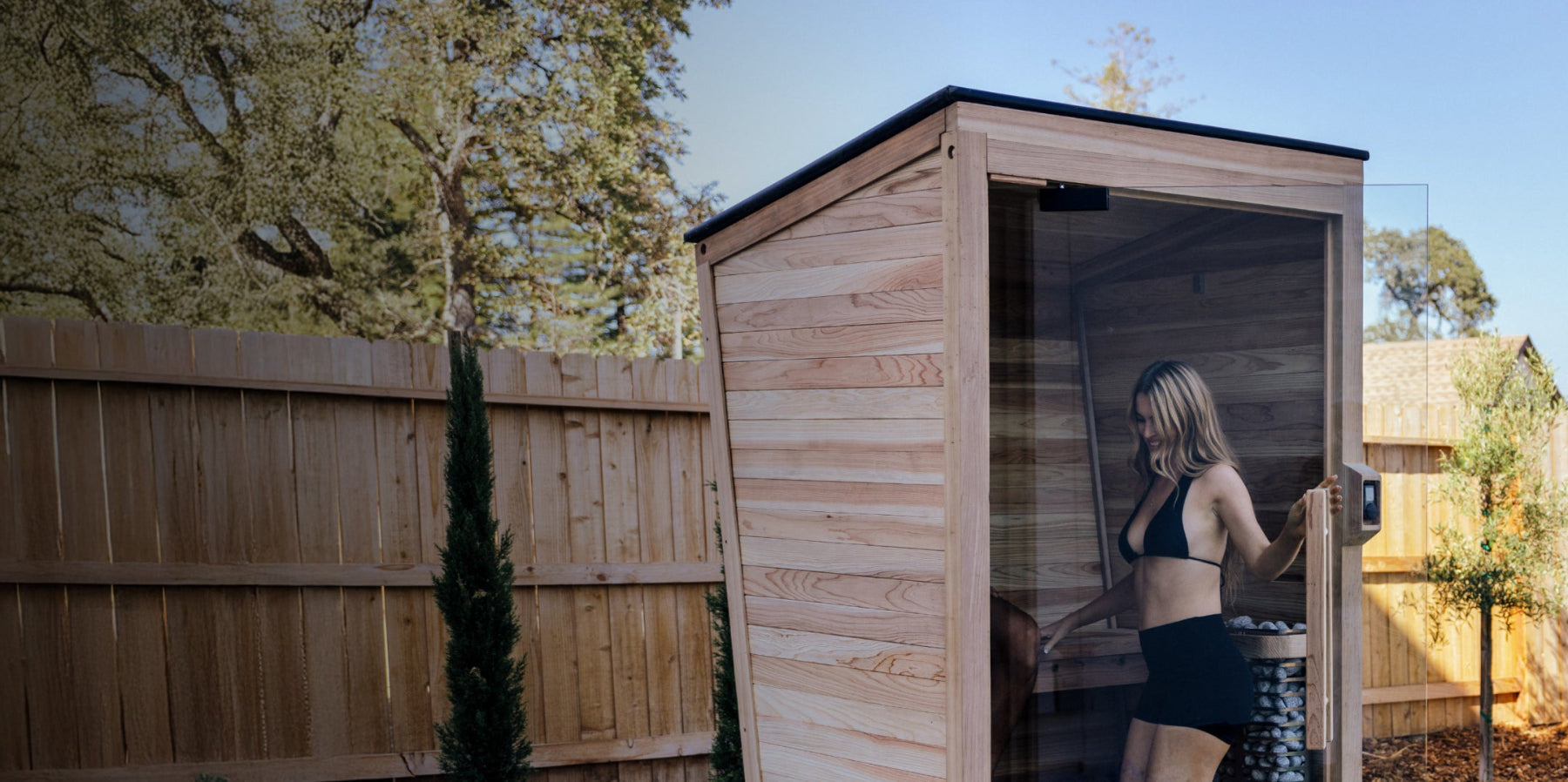
That is where heat and cold become useful — not as a guaranteed score hack, but as a repeatable ritual. Sauna gives you controlled heat stress. Cold plunge gives you controlled cold stress. Together, they create a clean container for doing hard things calmly.
Simple contrast protocol: Sauna for 15–25 minutes at 170–190°F, cool down for a few minutes, then cold plunge for 2–4 minutes. If you are new, start shorter and warmer. The point is not to win the ice bath. The point is to leave feeling more regulated than when you walked in.

When to Listen to the Score
Listen when the pattern is clear: multiple days of poor sleep, elevated resting heart rate, lower-than-normal HRV, unusual fatigue, signs of illness, or a training block that has been stacking stress without enough recovery.
That is when the dashboard earns its keep. It catches the slow drift before your ego does.
When to Ignore the Score
Ignore — or at least heavily discount — the score when it is one weird reading, you feel genuinely good, the device fit was off, travel messed with the algorithm, or you are using the number as an excuse to avoid a healthy routine you know will help.
Your body is not a dashboard. But the dashboard is not useless. The art is knowing which one gets the final vote.
The Bottom Line
Recovery tech is at its best when it makes you more aware. It is at its worst when it makes you more obedient — or more anxious.
Use the score. Watch the trend. Notice the signal. Then go do the human things that actually build recovery: sleep, move, sweat, breathe, plunge, eat real food, get sunlight, and stop letting an app narrate your entire nervous system.
The goal is not a perfect recovery score. The goal is feeling recovered enough to live your life.